
Blackout Blinds That Actually Work (And Why Most Bedrooms Still Aren’t Dark)
A standard recess-fit blackout roller blocks light through the fabric but not around it: a 15-20mm gap runs down each side of the blind inside the recess, and daylight, streetlight and security lights all find it. Full blackout needs either side channels fitted to the recess or an outside-recess mount with 5-8cm of overlap on every edge. Fabric choice alone never solves it.
- Key numbers:
15-20mm typical side gap on a recess-fit roller · 0% openness factor defines true blackout fabric · 5-8cm minimum overlap needed for an outside-recess fit to close the gap · roughly £25-£45 typical extra cost per blind for side channels versus a standard recess fit.
What Counts as a Blackout Blind? The Fabric Definition
A blackout blind is one made from fabric with a 0% openness factor, meaning the weave or coating has no perforations at all and blocks essentially all light that hits the material directly. This sits at the far end of a scale that runs from sheer fabrics (10% openness or higher, barely any privacy) through light-filtering fabrics (1-10% openness, softening daylight while giving daytime privacy) down to true blackout at 0%. The fabric definition is not in dispute and every reputable supplier meets it. The confusion starts one step later, once that fabric is cut to size and hung in a window recess.
Why a Recess-Fit Blackout Roller Still Lets Light In
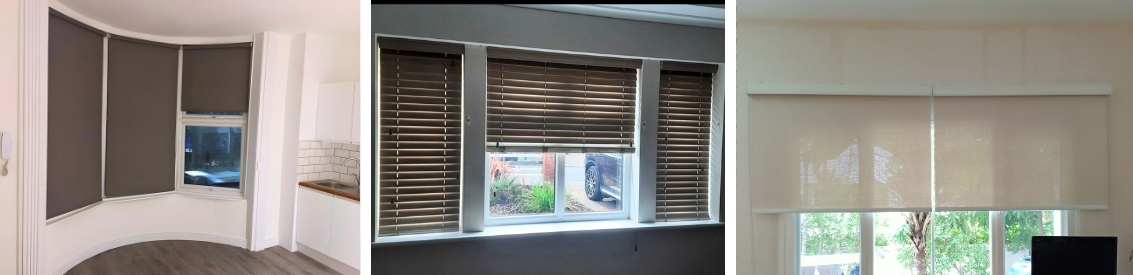
A roller blind fitted inside the window recess needs clearance on both sides so the fabric can travel up and down freely without dragging on the brackets or the wall. That clearance is typically in the region of 15 to 20mm per side, depending on the bracket type and the width of the roll, and it is completely separate from how opaque the fabric itself is. Light entering through that gap is not passing through the material, it is going around it entirely, which is why doubling up on fabric weight or paying more for a ‘premium’ blackout fabric makes no difference whatsoever to the problem. This single fact, stated plainly, is something we could not find on any of the ten established blinds retailers serving the London market at the time of writing.
The practical result: a room can have a genuinely 0% openness blackout roller fitted correctly to the recess and still show two visible strips of daylight down the sides of the window come 5am in June. This is not a manufacturing fault. It is how every recess-fit roller blind is designed to work, because the alternative, a blind sealed tight to the recess with no clearance, would jam.
Who Notices the Light Leak, and Who Doesn’t
Most households never notice it, because most bedrooms are not trying to achieve total darkness. A person who simply wants a bedroom dimmer than daytime is well served by a standard recess-fit blackout roller and will likely be satisfied. The complaint pattern we hear consistently comes from a much narrower group: shift workers sleeping during daylight hours, breastfeeding parents trying to get an overtired toddler to nap at 2pm, and anyone whose bedroom faces a floodlit car park, a bus stop, or a busy main road with headlights sweeping the ceiling at night.
Blackout Fabric vs a Blackout Room: The Distinction That Actually Matters
| Claim | What It Means | What It Does NOT Mean |
|---|---|---|
| Blackout fabric | A fabric with a 0% openness factor that blocks virtually all light passing directly through the material. | It does not mean the entire room will be dark, as light can still enter around the edges of the blind. |
| Blackout blind | A blind made using blackout fabric and fitted to a window. | It does not automatically seal the edges. A recess-fit blind will normally allow some light to enter from the sides. |
| Blackout room | A room where little to no visible light enters, creating genuine darkness during both the day and night. | This result cannot usually be achieved with blackout fabric alone. Side channels or a generous outside-recess overlap are normally required. |
The Two Fixes That Genuinely Close the Gap
- Side channels:
Slim tracks fixed to each side of the window recess that the fabric edges run inside, closing the 15–20mm gap completely on both sides at once. This is the fix we recommend for genuine shift-worker or nursery-grade blackout, and it keeps the blind sitting neatly inside the recess rather than projecting onto the wall. - Outside-recess fitting:
Mounting the blind on the wall or frame outside the recess with the fabric overlapping the opening by roughly 5 to 8cm on every edge, so the material itself covers more window than the recess measures. Usually the cheaper of the two fixes, since no extra track is needed, though the blind is visibly on the wall rather than tucked into the reveal.
A recess-fit blind with neither of these will always leave some light leak, in every home, with every supplier, using every blackout fabric on the market. That is a statement about geometry, not about product quality, and any installer implying otherwise is either mistaken or not being straight with you.
Suitability Matrix: Who Needs True Blackout and Who Doesn’t
| Situation | Recommended Fix | Why | Who This Is Wrong For |
|---|---|---|---|
| Shift worker sleeping during the day | Side channels | Even small amounts of daylight around the edges can disturb sleep quality. | None. This upgrade is worthwhile for almost every shift worker. |
| Nursery or toddler’s bedroom | Side channels with a cordless or motorised blind | Consistent darkness helps create a better sleeping environment for young children. | Homes on a very limited budget where a cordless blackout blind is sufficient for now. |
| Average bedroom on a typical residential street | Standard recess-fit blackout roller blind | Minor edge light is often hidden once curtains or a pelmet are fitted. | Bedrooms facing floodlights, busy roads or bright commercial lighting. |
| Loft bedroom with a Velux roof window | Purpose-built Velux blackout blind with guide rails | The guide rails seal the edges and provide a much darker finish. | Roof windows that are not compatible with the matching frame kit. |
| Home cinema or media room | Outside-recess blackout blind with generous overlap, or side channels where possible | Reducing every source of ambient light improves picture quality and viewing comfort. | Rooms used regularly during the daytime where complete blackout would be inconvenient. |
When a Standard Blackout Blind Is Enough
If your bedroom faces a quiet residential street with no direct streetlight and you simply want the room dimmer at night, save the money. A standard recess-fit blackout roller does that job perfectly well, and paying extra for side channels on a window that never sees a genuine light source outside is money better spent elsewhere in the house. We’d rather tell you this and quote you less than upsell a fix you don’t need.
Real Scenario: The Shift Worker in a Barking New-Build Flat
A common pattern in East London new-builds: a bedroom window facing a communal car park with dusk-to-dawn LED lighting, occupied by someone working nights three or four times a week. A recess-fit blackout roller alone, however good the fabric, leaves two bright vertical strips down the window frame that are clearly visible from the bed. Side channels close both gaps completely; the cost difference over a standard fit is modest relative to the difference in actual sleep quality reported.
Real Scenario: The Overtired Toddler in a Walthamstow Terrace
Victorian terrace bedrooms in areas like Walthamstow often have tall sash windows with deep reveals, which actually makes side channels straightforward to fit because there is enough depth in the recess to house the track without the blind projecting awkwardly. Parents trying to get an overtired two-year-old down for a summer afternoon nap are one of the most common calls we get about blackout performance, and the honest answer is almost always the same: it isn’t the fabric, it’s the edges.
What Blackout Blinds Actually Costs
Side channels typically add a modest amount to the price of a standard blackout roller, since the extra cost is a track and a slightly more involved fitting job rather than a different fabric grade. Outside-recess fitting with generous overlap usually costs little to nothing extra over a standard fit, since it changes where the brackets sit rather than what parts are used. We give you both prices in writing at the free measuring visit so you can weigh the upgrade against the difference it will actually make in that specific room.
Mistakes People Make When Buying Blackout Blinds
- Assuming a heavier or more expensive fabric fixes edge leak:
It doesn’t. Fabric weight and price affect how much light passes through the material, never how much sneaks around it. - Measuring the recess but ordering an exact-size blind, or vice versa:
The single most common fitting mistake in the industry, and it directly determines whether side channels are even possible without remeasuring. - Buying blackout curtains as a substitute rather than a supplement:
Curtains layered over a blackout blind help because the fabric covers the leak points, but they are treating the symptom, not closing the gap, and you lose the option of just using the blind alone during the day. - Fitting a standard recess blind in a loft room and expecting Velux-grade blackout:
Roof windows need a purpose-built frame kit, not a generic roller cut to size.
Blackout Roller vs Blackout Curtain vs Blackout Roman Blind
| Option | Edge Light Leak | Typical Cost | Best For |
|---|---|---|---|
| Recess-fit blackout roller | Yes, around 15 to 20mm on each side unless upgraded. | Lowest | Budget-conscious buyers without strong outside light sources. |
| Recess-fit roller with side channels | Virtually none | Low to moderate, with a small increase over a standard roller blind. | Shift workers, nurseries and anyone who needs genuine darkness. |
| Blackout curtains only | Noticeable gaps around the top, sides and centre where the curtains meet. | Moderate to high, depending on the fabric. | Adding softness to a room rather than achieving complete blackout. |
| Blackout Roman blind, outside-recess fit | Minimal when installed with the correct overlap. | Moderate to high | Bedrooms where a softer fabric look is preferred while still providing excellent blackout performance. |
| Blackout curtains over a blackout blind | Minimal due to the layered coverage. | Highest | People wanting maximum darkness, with additional sound reduction and improved thermal insulation. |
How Long Do Blackout Blinds Last, and What Affects the Fabric
A well-made blackout fabric typically holds its light-blocking coating for many years of normal domestic use, though direct, prolonged sun exposure on south-facing windows can gradually degrade the coating faster than on a shaded window. The mechanical parts, chain, brackets and tube, generally outlast the fabric. If a blackout blind starts showing pinprick light through the material itself rather than around the edges, that is a genuine fabric or coating fault worth raising with whoever supplied it, since it points to a manufacturing issue rather than the geometry problem this article is about.
Blackout Blind Myths Worth Retiring
Myth: darker-coloured fabric blocks more light.
Fact: colour affects heat absorption and glare, not the openness factor. A 0% openness white fabric blocks the same amount of direct light as a 0% openness black one; the coating and weave density are what matter, not the shade.
Myth: a thicker blind is automatically more blackout.
Fact: thickness can improve durability and reduce pinhole light transmission at the extreme, but it does nothing for the side gap, which is the dominant source of leaked light in most recess-fit installations.
Myth: cassette headrails solve edge leak.
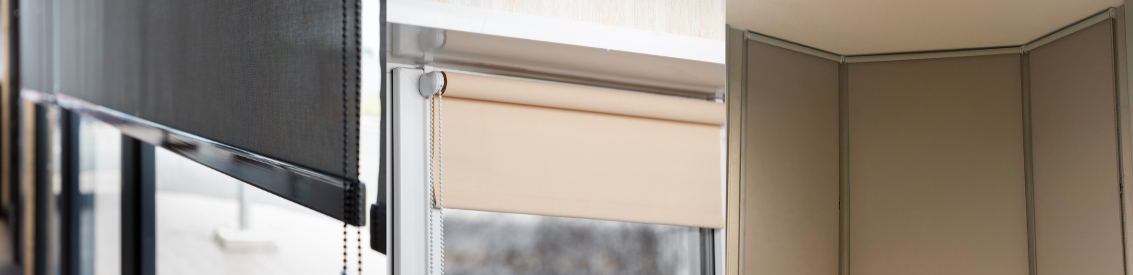
Fact: a cassette hides and protects the roller tube at the top of the blind. It has no effect on the side gaps unless paired with side channels specifically.
Our Verdict
If genuine, reliable darkness matters to you, whether for shift work, a young child’s sleep, or simply because you’re a light sleeper, spend the modest extra on side channels or specify a generous outside-recess overlap from the start. For everyone else, a standard recess-fit blackout roller is honest value and does the job it was built to do. We’d rather quote you accurately for what you actually need than sell every customer the premium fit regardless of their situation.
Blackout Blinds FAQ
Q: Will a thicker blackout fabric fix the side light leak on its own?
A: No. Fabric thickness and coating quality affect how much light passes directly through the material, not how much travels around the edges of a recess-fit blind. Only side channels or an outside-recess overlap close the actual gap.
Q: Do blackout curtains fitted over a blackout blind solve the problem?
A: They help meaningfully, since the curtain fabric covers the leak points from a second layer, but they are managing the symptom rather than closing the gap at source, and you lose the convenience of using the blind alone during the day.
Q: Is a Velux blackout blind different from a standard blackout roller for this problem?
A: Yes, and favourably. A proper Velux blackout blind uses side guide rails built into the frame kit itself, so the edge-leak issue affecting standard recess-fit rollers is largely designed out from the start rather than needing an add-on fix.
Q: Can you show me the light leak on a sample before I order?
A: Yes. At your free measuring visit we can demonstrate a recess-fit sample so you can see the actual gap in your own window before deciding whether to specify side channels or an outside-recess fit.
Q: How much extra does true blackout cost compared to a standard blackout roller?
A: Side channels typically add a modest premium, in the region of an extra 15 to 25 percent on the blind’s fitted cost, depending on window size. Outside-recess fitting with overlap usually costs little to nothing extra, since it is a fitting method change rather than an added component.
Q: Does the colour of a blackout blind affect how dark the room gets?
A: No, not through the fabric itself. Colour affects glare and heat absorption, while true blackout comes from the fabric’s openness factor and coating, both of which are the same regardless of shade.
Q:Will side channels work on any window recess?
A: Most standard recesses can take side channels, though very shallow or unusually shaped reveals need checking in person. We confirm feasibility at the free measuring visit before you commit to the upgrade.
Q:Is outside-recess fitting less attractive than a recess fit?
A: It’s a genuine trade-off: the blind sits visibly on the wall rather than tucked into the reveal, which some people prefer aesthetically and others don’t. We can show you both mounted in similar rooms during your visit so you can judge for your own window.